You Already Know Enough to Teach: How to Turn Your Learning Into Income
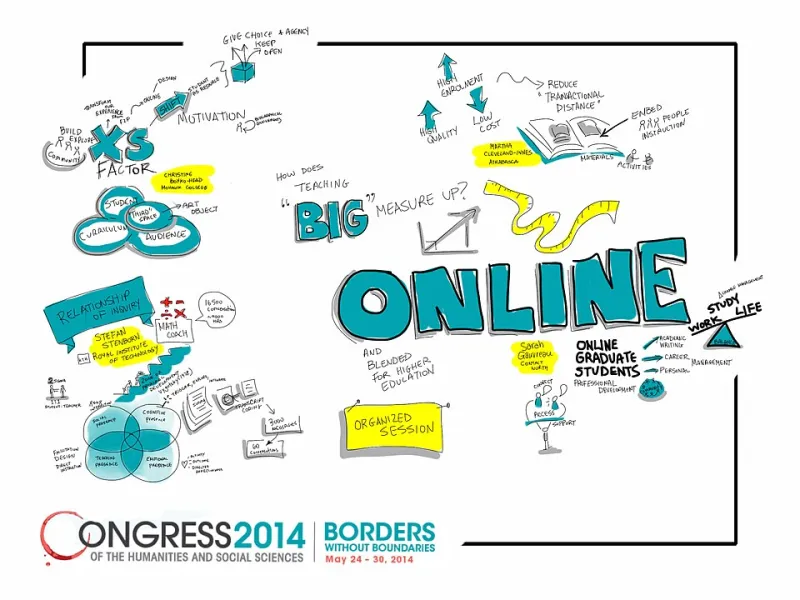
Photo: Giulia Forsythe, CC0, via Wikimedia Commons
At some point, almost every motivated learner has the same quiet thought: I wonder if I could teach this.
And then, almost immediately, the second thought shows up: Nah, I'm not expert enough yet.
That second thought is costing a lot of people real money — and real impact. Because here's what the most successful online instructors and course creators in the US will tell you, often with some embarrassment: they started teaching way before they felt ready. And it worked out just fine.
So let's talk about what "ready" actually looks like, and how you get from curious learner to paid educator without faking expertise you don't have.
The Expert Trap (And Why It Keeps You Stuck)
There's a concept in psychology called the Dunning-Kruger effect — the idea that people with limited knowledge in a subject often overestimate their competence. But there's a less-discussed flip side: highly competent people frequently underestimate how much they know relative to others. They've learned enough to see how much they don't know, and they mistake that awareness for inadequacy.
In the teaching world, this plays out constantly. The person who just spent six months learning video editing has forgotten what it felt like to not know the difference between a cut and a transition. But someone who's never touched editing software absolutely needs that explanation — and you can give it to them clearly because you were in their shoes not that long ago.
This is sometimes called the "curse of knowledge" in reverse: your recent experience as a beginner is actually a competitive advantage when it comes to teaching beginners. You haven't forgotten the struggle yet. That's genuinely valuable.
What the Numbers Actually Look Like
Let's get concrete for a second. You don't need to be the world's foremost authority on a subject to build a course or coaching program around it. You need to be meaningfully ahead of the people you're teaching.
Think about it this way:
- A person who's been running for two years can absolutely coach someone who just bought their first pair of running shoes.
- Someone who grew their Instagram following from 200 to 12,000 has plenty to teach a small business owner still stuck at 150 followers.
- A freelancer who landed their first five clients has hard-won knowledge that someone just starting out would pay for.
None of those people are elite-level experts. All of them have something genuinely teachable.
The benchmark isn't perfection — it's proven results. Have you achieved something that other people are trying to achieve? Can you document what you did and break it down into steps? That's the foundation of a teachable skill.
Real People Who Started Before They Were "Ready"
Take someone like Jamie, a graphic designer based in Austin who started freelancing in 2021. After her first year, she'd landed a handful of consistent clients and built a solid workflow for onboarding and project management. She started a small Skillshare course on freelance client communication — not advanced design theory, just the practical stuff she wished someone had told her earlier. Within eight months, that course was generating around $800 a month in passive income.
Or consider Marcus, a personal finance enthusiast in Atlanta who spent two years aggressively paying off $34,000 in student loan debt using a specific budgeting method. He started a YouTube channel documenting his approach, then launched a simple digital workbook. He's not a certified financial planner. He's a guy who did the thing and documented how. His audience doesn't need a CFP — they need someone who's been in their situation.
Neither of them waited until they had credentials. They had results, and they packaged those results into something useful.
Competency Benchmarks: How to Know You're There
If you're trying to figure out whether you actually have enough to teach, run yourself through these checkpoints:
1. Have you achieved a specific, measurable result? Not just "I learned about this" — but "I did this and it worked." That result is your core credibility.
2. Can you explain your process from start to finish? Sit down and try to outline the steps you took. If you can map them out clearly enough that someone else could follow them, you've got teachable content.
3. Do you understand the common beginner mistakes? Knowing what trips people up — because you were tripped up by it — is one of the most underrated teaching assets there is.
4. Have you gotten feedback from peers or mentors? You don't need a formal credential, but some external validation that your approach is sound goes a long way. Have you had anyone else try your method? Did it work for them?
5. Are people already asking you questions? This one's a dead giveaway. If friends, coworkers, or social media followers are already coming to you for advice on a topic, there's a market signal right there.
If you can check off three or more of these, you're probably closer to ready than you think.
How to Actually Start: A Practical Path Forward
Once you've accepted that you have something worth teaching, the next step is figuring out how to package and deliver it. Here's a simple entry path:
Start Small With a Workshop or Webinar
Before building a full course, test your material with a live audience. A 60-minute paid workshop — even at $25 to $50 a seat — lets you validate demand, gather feedback, and refine your content in real time. Platforms like Zoom or Eventbrite make this easy to pull off.
Build a Focused Mini-Course First
Instead of trying to create a comprehensive 10-hour course right out of the gate, start with something tight and specific. A three-module course that solves one clear problem is easier to build, easier to sell, and easier for students to complete. Completion rates matter — they drive reviews and referrals.
Leverage Existing Platforms
You don't need your own website to start. Platforms like Teachable, Thinkific, or even Gumroad let you upload content and start selling without a tech headache. Udemy has a built-in audience of millions of US learners if you want discoverability out of the gate.
Price for Where You Are
Don't undersell yourself, but don't overprice for your current reputation either. A first course from an emerging instructor in the $47–$197 range is a reasonable starting point depending on depth and subject matter. As you collect testimonials and results, you can raise your rates.
Teach, Collect Feedback, Improve
Your first course won't be perfect. That's fine. The learners who take it aren't expecting perfection — they're expecting genuine help. Listen to what they say, update your material, and let the course get better over time.
The Mindset Shift That Changes Everything
The biggest barrier to becoming an educator isn't a lack of knowledge — it's a belief that someone else is better qualified to do what you could do. And maybe they are. But that person might not be showing up, might not be speaking to your specific audience, or might be charging more than your audience can afford.
You don't have to be the best teacher in the world. You just have to be the right teacher for your students.
At SkyMount Classes, we've seen learners at every stage turn their personal growth journeys into income streams that matter. The climb from student to instructor isn't as steep as it looks from the bottom. Sometimes you just need to look back and realize how far you've already come — and how many people are still standing where you used to be, waiting for someone to show them the way up.